
Aerospace Tooling Companies
Aerospace Tooling Companies Support Precision Manufacturing and Scalable Production Performance
A focus on durability, dimensional stability, and optimized manufacturability
Selecting the right partner from today’s aerospace tooling companies is critical for manufacturers operating in high-performance production environments. Aerospace components require exceptional dimensional accuracy, repeatability, and compliance with strict regulatory and safety standards. Experienced aerospace tooling companies must not only meet tight tolerance requirements but also provide engineering solutions that support evolving component designs, advanced material specifications, and complex part geometries.
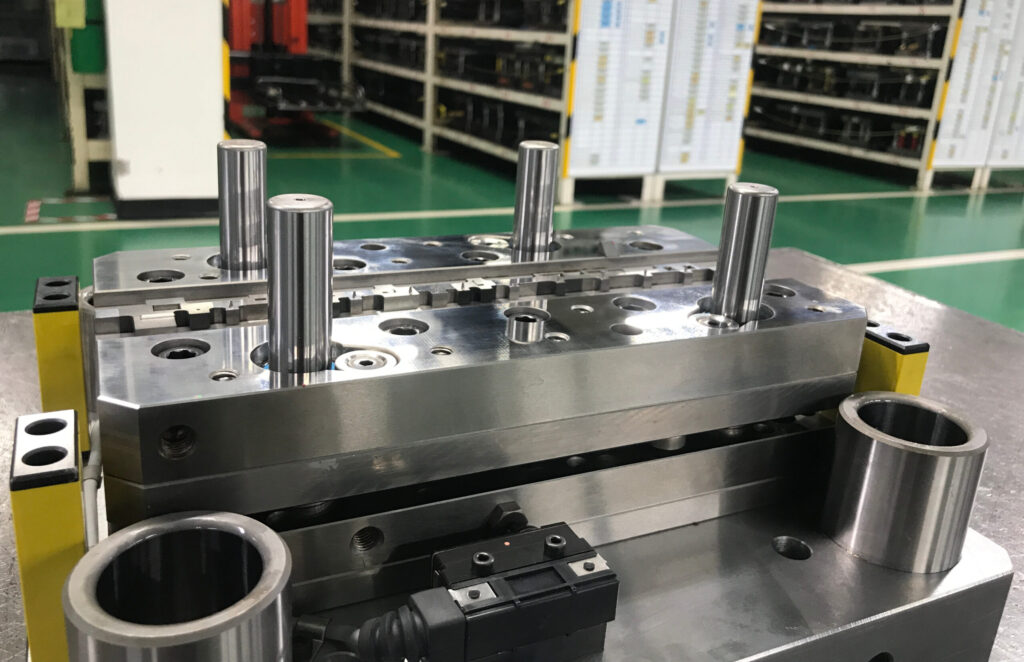
Modern aerospace tooling companies play a significant role in improving manufacturing efficiency and maintaining consistent quality across the production lifecycle. Precision tooling solutions such as progressive dies, forming tools, transfer tooling, and custom fixtures enable manufacturers to achieve reliable output while minimizing scrap and reducing overall production variability. By partnering with established aerospace tooling companies, manufacturers can enhance throughput, control costs, and improve long-term production stability.
At PrecisionX, tooling solutions are engineered with a focus on durability, dimensional stability, and optimized manufacturability. Manufacturers that collaborate with experienced aerospace tooling companies benefit from advanced engineering support, precision machining capabilities, and rigorous quality control processes that help ensure consistent results in demanding aerospace applications. This level of technical collaboration supports both performance requirements and program timelines.
As production volumes increase and aircraft component designs become more sophisticated, aerospace tooling companies must provide scalable tooling strategies that support both prototype validation and full-rate manufacturing. Strategic tooling investments help manufacturers accelerate time to market, maintain compliance with aerospace standards, and sustain reliable production performance across long program lifecycles.
Q: What do aerospace tooling companies specialize in?
A: Aerospace tooling companies specialize in designing and manufacturing precision tooling systems used to produce aircraft and aerospace components. These solutions often include progressive dies, transfer tooling, forming tools, fixtures, gauges, and custom assemblies engineered to support complex production requirements.
Q: Why is precision important when working with aerospace tooling companies?
A: Precision is essential because aerospace components must meet strict performance, safety, and dimensional requirements. High-quality tooling developed by experienced aerospace tooling companies helps ensure consistent tolerances, reliable part functionality, and repeatable manufacturing outcomes.
Q: What types of tooling solutions do aerospace tooling companies provide?
A: Many aerospace tooling companies offer progressive die systems, custom forming tools, inspection fixtures, transfer tooling, and specialized production assemblies designed to accommodate high-strength materials and complex part geometries.
Q: How do aerospace tooling companies help improve production efficiency?
A: By optimizing tooling design and manufacturing processes, aerospace tooling companies help reduce material waste, improve cycle times, increase throughput, and support consistent high-volume production.
Q: What materials must aerospace tooling companies accommodate?
A: Tooling is often designed to support materials such as aluminum alloys, titanium, stainless steel, and other advanced aerospace metals that require precise forming and machining capabilities.
Q: How do aerospace tooling companies support prototype and production programs?
A: Leading aerospace tooling companies provide scalable tooling strategies that support early-stage prototype development, process validation, and long-term full-rate production requirements.
Q: What quality standards do aerospace tooling companies typically follow?
A: Many aerospace tooling companies operate under certified quality management systems and follow strict inspection protocols to ensure tooling durability, dimensional accuracy, and compliance with aerospace manufacturing standards.
Q: Why is tooling durability important in aerospace manufacturing?
A: Durable tooling helps maintain dimensional stability over extended production runs, reduces downtime, and supports consistent part quality throughout long aerospace program lifecycles.
Q: How do aerospace tooling companies collaborate with manufacturers during development?
A: Experienced aerospace tooling companies work closely with manufacturers during design and engineering phases to optimize manufacturability, material performance, and production efficiency.
Q: What factors should manufacturers consider when selecting aerospace tooling companies?
A: Manufacturers should evaluate engineering expertise, tooling capabilities, production scalability, quality certifications, and the ability to deliver reliable long-term support for aerospace manufacturing programs.
FAQ | Aerospace Parts:
Q: What are aerospace parts used for?
A: Aerospace parts are used in aircraft structures, engine systems, control assemblies, landing gear components, and interior applications where performance, safety, and reliability are essential.
Q: Why do aerospace parts require tight tolerances?
A: Tight tolerances ensure proper fit, structural strength, and consistent performance. Precision manufacturing helps guarantee that aerospace parts function reliably in high-stress operating conditions.
Q: How are aerospace parts typically manufactured?
A: Many aerospace parts are produced using precision metal stamping, forming, machining, and specialized tooling processes designed to maintain repeatable dimensional accuracy.
Q: What materials are commonly used to manufacture aerospace parts?
A: Manufacturers often produce aerospace parts using aluminum alloys, titanium, stainless steel, and other high-strength materials that provide durability while supporting lightweight design requirements.
Q: How do manufacturers maintain quality when producing aerospace parts?
A: Quality is maintained through advanced inspection procedures, certified quality systems, engineering validation, and precision tooling solutions that support consistent production results.
Q: What challenges are involved in producing aerospace parts?
A: Manufacturing aerospace parts involves managing complex geometries, tight tolerance requirements, specialized material behavior, and strict regulatory standards.
Q: How can manufacturers improve efficiency when producing aerospace parts?
A: Efficiency can be improved by optimizing tooling design, streamlining production processes, improving material utilization, and implementing advanced manufacturing technologies.
Q: Do aerospace parts require custom tooling solutions?
A: Yes. Many aerospace parts require custom tooling to accommodate unique component shapes, material properties, and specific production volume requirements.
Q: Why is repeatability important in aerospace parts manufacturing?
A: Repeatability ensures every batch of aerospace parts meets the same dimensional and performance standards, which is critical for safety and long-term aircraft reliability.
Q: How does precision tooling impact aerospace parts performance?
A: Precision tooling helps maintain consistent tolerances, improves manufacturing stability, and reduces the risk of component failure in demanding aerospace applications.
Aerospace Parts
Aerospace Parts Manufacturing Requires Precision Engineering and Consistent Production Control
Producing high-quality aerospace parts requires specialized engineering expertise, precision tooling, and tightly controlled manufacturing processes. Aerospace manufacturers must meet strict performance and regulatory standards while working with advanced materials and extremely tight tolerances. Even small dimensional variations in aerospace parts can affect structural integrity, system performance, and long-term operational reliability in demanding flight environments.
Modern aerospace parts are used in critical aircraft applications including structural assemblies, propulsion system components, avionics housings, fastening systems, and interior hardware. To meet evolving industry requirements, manufacturers rely on advanced metal stamping, precision forming, and specialized machining techniques that support repeatable accuracy and stable production performance. These manufacturing capabilities help ensure that aerospace parts meet stringent certification and quality expectations.
Experienced suppliers of aerospace parts focus on optimizing tooling strategies, material utilization, and production workflows to support both prototype validation and high-volume manufacturing programs. By investing in precision manufacturing technologies and engineering collaboration, aerospace manufacturers can improve throughput, reduce scrap rates, and maintain consistent product quality across long production lifecycles.
As aircraft platforms continue to evolve toward lighter structures and more complex component geometries, the demand for durable, high-performance aerospace parts continues to grow. Manufacturers benefit from partnering with tooling experts who understand aerospace program requirements and can provide scalable production solutions that support efficiency, compliance, and long-term program success.
Aerospace Parts Manufacturing
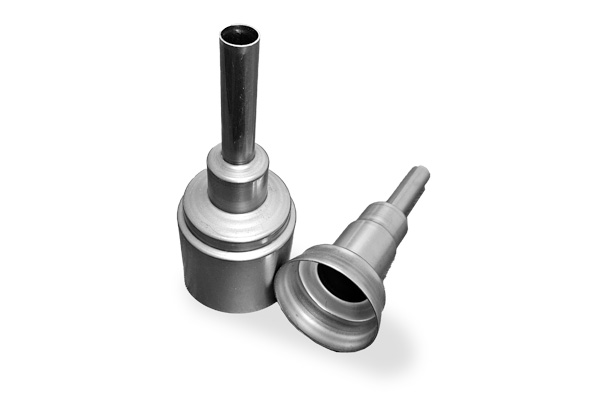
Successful aerospace parts manufacturing requires advanced engineering expertise, precision tooling, and tightly controlled production processes that support strict industry performance standards. Aerospace components must maintain consistent dimensional accuracy across both low-volume prototype programs and high-volume manufacturing runs. Even minor tolerance variations in aerospace parts manufacturing can affect structural integrity, system performance, and long-term operational reliability in demanding aerospace environments.
Modern aerospace parts manufacturing often involves producing complex geometries from high-performance materials such as aluminum alloys, titanium, stainless steel, and specialty metals. Manufacturers rely on precision metal stamping, advanced forming techniques, and specialized tooling systems to ensure that components meet rigorous aerospace specifications. These manufacturing processes support repeatable production quality while improving throughput and overall production efficiency.
Companies that specialize in aerospace parts manufacturing focus on optimizing tooling design, improving material utilization, and streamlining workflow efficiency across the production lifecycle. By investing in advanced manufacturing technologies and collaborative engineering strategies, suppliers can reduce scrap rates, shorten cycle times, and maintain compliance with strict aerospace certification and quality standards.
As aerospace platforms continue to evolve and performance expectations increase, aerospace parts manufacturing must support scalable production strategies that align with program timelines and long-term operational requirements. Manufacturers benefit from partnering with experienced tooling providers who understand aerospace program demands and can deliver reliable solutions that support both development and sustained production performance.
FAQ | Aerospace Parts Manufacturing:
Q: What is aerospace parts manufacturing?
A: Aerospace parts manufacturing involves producing precision components used in aircraft structures, propulsion systems, avionics assemblies, and interior applications that require strict quality control and performance reliability.
Q: Why is precision critical in aerospace parts manufacturing?
A: Precision ensures that aerospace components meet safety regulations, maintain structural strength, and perform consistently under high stress and environmental exposure.
Q: What processes are commonly used in aerospace parts manufacturing?
A: Manufacturers typically use precision metal stamping, forming, machining, and advanced tooling methods designed to maintain repeatable tolerances and stable production performance.
Q: What materials are used in aerospace parts manufacturing?
A: Many aerospace components are manufactured from aluminum alloys, titanium, stainless steel, and other high-strength materials that support lightweight design and long-term durability.
Q: How do manufacturers maintain quality in aerospace parts manufacturing?
A: Quality is maintained through strict inspection protocols, certified quality systems, process monitoring, and precision tooling solutions that ensure consistent manufacturing outcomes.
Q: How does tooling impact aerospace parts manufacturing efficiency?
A: Optimized tooling helps improve production throughput, reduce material waste, shorten setup times, and support reliable high-volume manufacturing performance.
Q: Can aerospace parts manufacturing support both prototype and production programs?
A: Yes. Many suppliers provide scalable manufacturing strategies that support early design validation, prototype builds, and full-rate production programs.
Q: What challenges are associated with aerospace parts manufacturing?
A: Challenges include managing tight tolerance requirements, working with advanced materials, meeting certification standards, and maintaining repeatability across extended production cycles.
Q: Why is repeatability important in aerospace parts manufacturing?
A: Repeatability ensures every component meets the same dimensional and performance specifications, which is essential for safety, quality assurance, and long-term aircraft reliability.
Q: How can manufacturers improve performance in aerospace parts manufacturing?
A: Performance can be improved by investing in precision tooling design, engineering collaboration, efficient workflow planning, and advanced manufacturing technologies.
FAQ | Aerospace Components:
Q: What are aerospace components?
A: Aerospace components are precision-engineered parts used in aircraft structures, propulsion systems, control assemblies, avionics enclosures, and interior applications that require high performance and reliability.
Q: Why do aerospace components require tight tolerances?
A: Tight tolerances ensure proper fit, structural integrity, and consistent functionality in demanding aerospace environments where safety and performance are critical.
Q: How are aerospace components typically manufactured?
A: Manufacturers commonly produce aerospace components using precision metal stamping, advanced forming processes, machining, and specialized tooling systems designed to maintain repeatable accuracy.
Q: What materials are commonly used for aerospace components?
A: Typical materials include aluminum alloys, titanium, stainless steel, and other high-strength metals that support lightweight design while maintaining durability and performance.
Q: What role does tooling play in aerospace components production?
A: Precision tooling helps maintain dimensional consistency, improve manufacturing efficiency, and support high-volume production of aerospace components with minimal variation.
Q: How do manufacturers maintain quality when producing aerospace components?
A: Quality is maintained through advanced inspection methods, certified quality management systems, controlled production processes, and engineering validation procedures.
Q: What challenges are involved in producing aerospace components?
A: Common challenges include managing complex geometries, working with specialized materials, meeting strict certification standards, and ensuring repeatability across extended production runs.
Q: Can aerospace component manufacturing support prototype development?
A: Yes. Many manufacturers provide scalable production strategies that support early-stage prototyping, testing programs, and long-term manufacturing requirements.
Q: Why is repeatability important for aerospace components?
A: Repeatability ensures every batch of aerospace components meets the same dimensional and performance specifications, which is essential for aircraft safety and operational reliability.
Q: How can manufacturers improve efficiency in aerospace components production?
A: Efficiency can be improved through optimized tooling design, engineering collaboration, advanced automation, and streamlined production workflows that reduce scrap and cycle time.
Aerospace Components
Aerospace Components Require Precision Manufacturing and Advanced Tooling Solutions
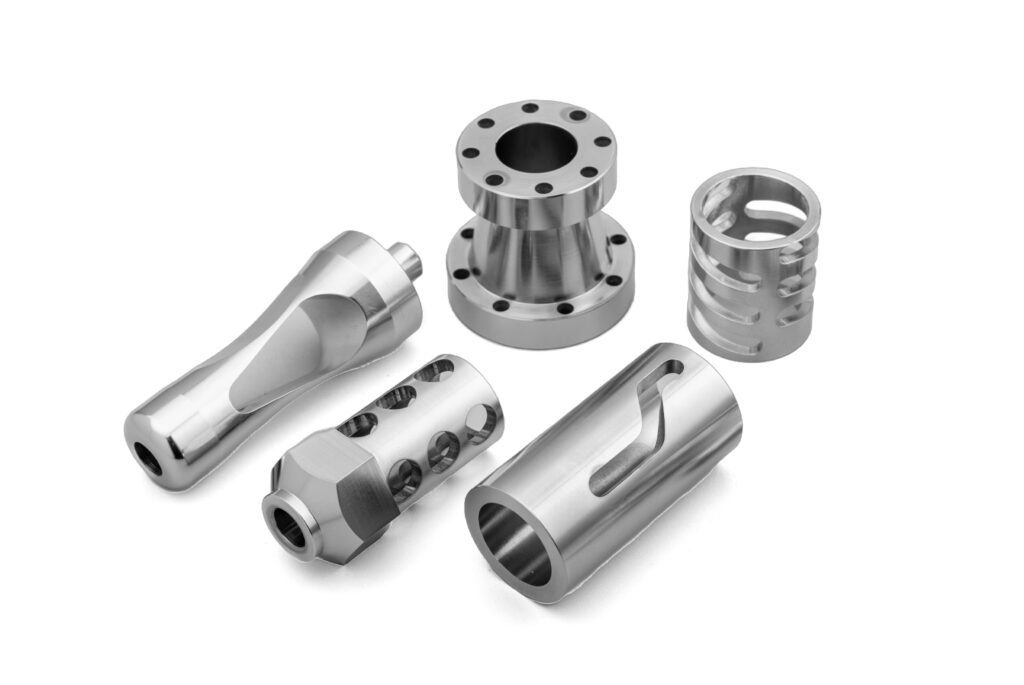
Producing high-quality aerospace components requires specialized engineering expertise, precision tooling, and tightly controlled manufacturing processes that support demanding aerospace performance standards. Manufacturers must maintain consistent dimensional tolerances across varying production volumes, from prototype builds to full-scale manufacturing programs. Even minor variations in aerospace components can affect system functionality, structural strength, and long-term operational reliability in mission-critical aerospace applications.
Modern aerospace components are used throughout aircraft platforms, including structural assemblies, propulsion systems, avionics housings, fastening solutions, and interior hardware. To meet evolving design requirements and lightweight performance objectives, manufacturers rely on advanced metal stamping, precision forming, and specialized machining technologies. These production methods help ensure repeatable accuracy, improved manufacturing throughput, and reduced material waste while maintaining strict compliance with aerospace quality requirements.
Experienced suppliers of aerospace components focus on optimizing tooling design, material selection, and workflow efficiency across the manufacturing lifecycle. Engineering collaboration plays a key role in ensuring that tooling solutions align with part geometry, performance expectations, and certification requirements. By implementing quality-driven manufacturing strategies and investing in advanced production capabilities, companies can deliver scalable solutions that support both early development programs and sustained high-volume production.
As aircraft platforms continue to advance and performance demands increase, the complexity and precision required in aerospace components manufacturing continues to grow. Manufacturers benefit from partnering with tooling specialists who understand aerospace regulatory standards, material performance considerations, and the importance of maintaining consistent production quality over long program lifecycles. Strategic investments in precision tooling and manufacturing technology help ensure reliable results in highly regulated aerospace environments.

Aerospace Tooling Supports Precision Manufacturing and Consistent Production Performance
Effective aerospace tooling is essential for producing components that meet strict performance, safety, and dimensional requirements across modern aerospace programs. Manufacturers depend on precision-engineered aerospace tooling systems to maintain tight tolerances, improve repeatability, and support efficient production of complex part geometries. High-quality tooling solutions help ensure reliable manufacturing outcomes while minimizing variability, reducing material waste, and supporting long-term process stability in highly regulated aerospace environments.
Modern aerospace tooling solutions include progressive dies, forming tools, fixtures, gauges, inspection assemblies, and custom-built production systems designed to support demanding aerospace applications. These tooling systems must be engineered to withstand high production volumes, elevated forming forces, and challenging material properties such as titanium, stainless steel, and high-strength aluminum alloys. Maintaining dimensional stability throughout extended production cycles is critical, making durable tooling design a key factor in achieving consistent part quality.
Manufacturers that invest in advanced aerospace tooling benefit from improved throughput, greater production consistency, and enhanced long-term cost control. Engineering collaboration during the tooling design phase helps optimize manufacturability, reduce setup time, and streamline production workflows. By aligning tooling strategy with program timelines and part complexity, manufacturers can implement scalable solutions that support both prototype validation and high-volume manufacturing requirements.
As aerospace platforms continue to evolve and lightweight materials become more prevalent, the importance of durable, precision-built aerospace tooling continues to grow. Tooling providers must support increasingly complex component designs while maintaining compliance with aerospace certification standards and quality management requirements. Partnering with experienced tooling specialists enables manufacturers to improve production reliability, meet performance expectations, and maintain consistent quality throughout long product lifecycles.
FAQ | Aerospace Components:
Q: What is aerospace tooling?
A: Aerospace tooling refers to precision-engineered tools such as dies, fixtures, gauges, and forming systems used to manufacture aerospace components with strict dimensional tolerances and performance requirements.
Q: Why is aerospace tooling important in manufacturing?
A: Properly designed aerospace tooling helps ensure consistent part quality, improved repeatability, reduced variability, and reliable production performance in demanding aerospace applications.
Q: What types of aerospace tooling are commonly used?
A: Common tooling solutions include progressive dies, transfer tooling systems, custom forming tools, inspection fixtures, gauges, and specialized assemblies designed for complex aerospace components.
Q: How does aerospace tooling impact production efficiency?
A: Optimized aerospace tooling increases throughput, reduces scrap rates, shortens setup times, and supports high-volume manufacturing while maintaining tight tolerances.
Q: What materials must aerospace tooling accommodate?
A: Aerospace tooling is often designed to support aluminum alloys, titanium, stainless steel, and other high-performance metals commonly used in aircraft manufacturing.
Q: How do manufacturers maintain quality with aerospace tooling?
A: Quality is maintained through precision tooling design, advanced inspection technologies, controlled manufacturing processes, and strict adherence to aerospace quality standards.
Q: Can aerospace tooling support prototype and production programs?
A: Yes. Scalable aerospace tooling solutions are frequently developed to support early-stage prototype builds as well as long-term production programs.
Q: What challenges are associated with aerospace tooling design?
A: Key challenges include achieving tight tolerances, accommodating complex geometries, managing material springback, and ensuring tooling durability over extended production cycles.
Q: Why is durability important in aerospace tooling?
A: Durable tooling maintains dimensional stability and consistent performance throughout long production runs, helping reduce downtime and minimize costly tooling replacements.
Q: How should manufacturers select an aerospace tooling partner?
A: Manufacturers should evaluate engineering expertise, advanced manufacturing capabilities, quality certifications, tooling lifecycle support, and the ability to deliver reliable production solutions.
Aerospace Components Manufacturers
Aerospace Components Manufacturers Support Precision Production and Scalable Aerospace Programs
Leading aerospace components manufacturers play a critical role in producing parts that meet the strict safety, performance, and reliability standards of the aerospace industry. These manufacturers must deliver consistent dimensional accuracy while working with complex geometries and high-performance materials. Precision manufacturing capabilities are essential to ensure that aerospace components perform reliably in demanding operating environments such as high stress structural applications, extreme temperature exposure, and long operational lifecycles. As a result, aerospace components manufacturers must maintain tightly controlled production processes and advanced quality assurance systems.
Modern aerospace components manufacturers rely on advanced tooling systems, precision metal stamping technologies, and specialized forming processes to maintain repeatability across production runs. By integrating engineering collaboration and continuous process optimization, manufacturers can improve throughput, reduce material waste, and support efficient large-scale production. The use of precision-engineered tooling also allows aerospace components manufacturers to maintain tight tolerances while accommodating evolving component designs and increasing production demands.
Experienced aerospace components manufacturers focus on scalability to support both prototype development and full-volume manufacturing programs. Early engineering involvement helps optimize manufacturability, refine tooling strategies, and align production workflows with long-term program goals. This approach enables aerospace customers to accelerate time to market while maintaining strict quality and certification requirements across all stages of production.
As aircraft platforms continue to evolve, aerospace components manufacturers must adapt to changing material specifications, tighter tolerances, and increased performance expectations. Lightweight materials, complex assemblies, and higher production volumes require advanced manufacturing expertise and durable tooling solutions. Partnering with an experienced tooling provider allows aerospace components manufacturers to maintain consistent quality, improve operational efficiency, and meet long-term program performance expectations in highly regulated aerospace environments.
FAQ | Aerospace Components Manufacturers:
Q: What do aerospace components manufacturers produce?
A: Aerospace components manufacturers produce precision parts used in aircraft structures, propulsion systems, avionics assemblies, control mechanisms, and interior applications where performance and reliability are critical.
Q: Why must aerospace components manufacturers meet strict quality standards?
A: Aerospace components must comply with rigorous safety and certification requirements. Aerospace components manufacturers must maintain precise dimensional accuracy and repeatable production quality to ensure reliable performance.
Q: What manufacturing processes are commonly used by aerospace components manufacturers?
A: Many aerospace components manufacturers use precision metal stamping, forming, machining, and advanced tooling processes to achieve consistent tolerances and high-volume production efficiency.
Q: What materials do aerospace components manufacturers typically work with?
A: Aerospace components manufacturers frequently work with aluminum alloys, titanium, stainless steel, and other high-strength, lightweight materials used in aerospace structures and assemblies.
Q: How do aerospace components manufacturers improve production efficiency?
A: Efficiency improvements are achieved through optimized tooling design, streamlined production workflows, advanced automation, and engineering collaboration that helps reduce scrap and increase throughput.
Q: Can aerospace components manufacturers support prototype development and production programs?
A: Yes. Many aerospace components manufacturers provide scalable manufacturing solutions that support early-stage prototyping, design validation, and full-scale production requirements.
Q: What challenges do aerospace components manufacturers face?
A: Common challenges include maintaining tight tolerances, managing complex part geometries, working with specialized materials, meeting certification requirements, and ensuring repeatability across long production cycles.
Q: How does tooling impact aerospace components manufacturing performance?
A: Precision tooling enables aerospace components manufacturers to maintain consistent part quality, improve manufacturing speed, and support reliable high-volume production.
Q: Why is repeatability important for aerospace components manufacturers?
A: Repeatability ensures that every component meets identical specifications, which is essential for aircraft safety, system performance, and long-term durability.
Q: What should companies consider when selecting aerospace components manufacturers?
A: Companies should evaluate engineering expertise, manufacturing technology, quality certifications, scalability, and the ability of aerospace components manufacturers to support long-term aerospace programs.
FAQ | Aerospace Rivets:
Q: What are aerospace rivets used for in aircraft manufacturing?
A: Aerospace rivets are used to fasten structural components such as fuselage panels, wing assemblies, interior frameworks, and other critical aircraft structures where strong, permanent joints are required.
Q: Why are aerospace rivets important for aircraft structural integrity?
A: Properly manufactured aerospace rivets provide vibration-resistant fastening and load distribution, helping maintain structural strength and long-term durability in demanding operating environments.
Q: How are aerospace rivets typically manufactured?
A: Most aerospace rivets are produced through precision metal forming and stamping processes that ensure consistent dimensions, controlled material properties, and repeatable fastening performance.
Q: What materials are commonly used to manufacture aerospace rivets?
A: Manufacturers often produce aerospace rivets using aluminum alloys, titanium, stainless steel, and other high-strength metals selected for their lightweight characteristics and corrosion resistance.
Q: Why do aerospace rivets require extremely tight tolerances?
A: Tight tolerances ensure that aerospace rivets fit correctly within assemblies, providing secure fastening strength and preventing structural weaknesses that could affect safety and performance.
Q: How does tooling influence aerospace rivet production quality?
A: Precision tooling helps manufacturers form aerospace rivets with consistent geometry, improved surface finish, and reliable dimensional accuracy across high-volume production runs.
Q: Can aerospace rivets be customized for different aerospace applications?
A: Yes. Aerospace rivets are available in a variety of sizes, head styles, materials, and performance specifications to support unique aircraft assembly and design requirements.
Q: What challenges are associated with manufacturing aerospace rivets?
A: Challenges include maintaining forming precision, managing material hardness and springback, ensuring repeatability, and meeting strict aerospace certification standards.
Q: How do manufacturers ensure consistent quality in aerospace rivet production?
A: Quality is maintained through controlled forming processes, advanced inspection systems, certified quality management programs, and continuous monitoring of aerospace rivets during production.
Q: How do aerospace rivets contribute to efficient aircraft assembly?
A: High-precision aerospace rivets enable faster installation, reliable joint performance, and reduced rework, supporting streamlined assembly operations and improved manufacturing efficiency.
Aerospace Rivets

Aerospace Rivets Ensure Structural Strength, Reliability, and Lightweight Performance in Aircraft Manufacturing
High-quality aerospace rivets play a critical role in securing structural assemblies throughout modern aircraft and aerospace systems. These precision fasteners are engineered to create strong, vibration-resistant joints while supporting the lightweight performance required in aerospace applications. Because aircraft structures are subjected to extreme pressure changes, temperature variations, and mechanical stress, the performance and consistency of aerospace rivets directly influence safety, durability, and long-term system reliability.
Modern aerospace rivets are manufactured to meet strict dimensional tolerances, material specifications, and certification requirements. Advanced metal forming and precision stamping processes are used to produce consistent head configurations, shank diameters, and fastening strength. These controlled manufacturing methods enable suppliers to deliver high-volume production of aerospace rivets while maintaining the repeatability and quality standards required across aerospace programs.
Manufacturers depend on specialized tooling and engineering expertise to produce aerospace rivets that meet demanding performance expectations. Optimized tooling design helps improve forming accuracy, increase production throughput, and reduce material waste. This is particularly important when working with high-strength materials such as aluminum alloys, titanium, and specialty steels that require careful process control during rivet production.
As aircraft designs continue to evolve toward lighter structures and more complex assemblies, the demand for precision-engineered aerospace rivets continues to grow. Partnering with experienced manufacturing and tooling providers allows aerospace companies to maintain production scalability while ensuring fastening solutions meet strict industry standards. Reliable aerospace rivets support efficient assembly processes and contribute to consistent structural performance across long service lifecycles.
Ready to elevate your manufacturing precision?
Partner with PrecisionX Manufacturing for your next critical component project. Our engineers are ready to discuss your specifications and develop a scalable manufacturing solution.
"*" indicates required fields


Sitemap | Privacy Policy | Cookie Policy | Terms of Service | Copyright © 2026. | All Rights Reserved